The site for prostate cancer information
from Dr. William Catalona
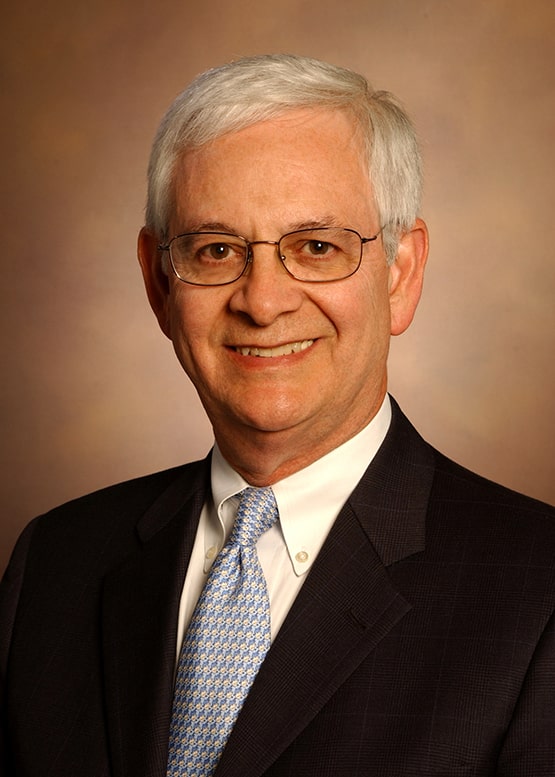
William J. Catalona, MD
Our goal is to provide information on the latest advances in prostate cancer
treatment and information on the research and work of Dr.
William J. Catalona, Medical Director of the Urological Research Foundation.
Dr. Catalona developed the PSA test as a screening test for prostate cancer. He, and his research
collaborators, continue their important work.
The funds and energies of the Urological Research Foundation (URF) are directed to
research for the prevention, detection, treatment and cure of the diseases
of the prostate and most specifically, prostate cancer.
Dr. Catalona is one of the first surgeons to perform and perfect nerve sparing surgery in radical prostatectomy operations. Dr. Catalona has performed more than 5,600 radical prostatectomies.
Follow the directions of the toolbar to turn pages, print articles, or share material with others. You can also put your cursor at the corner of pages to flip from page to page.
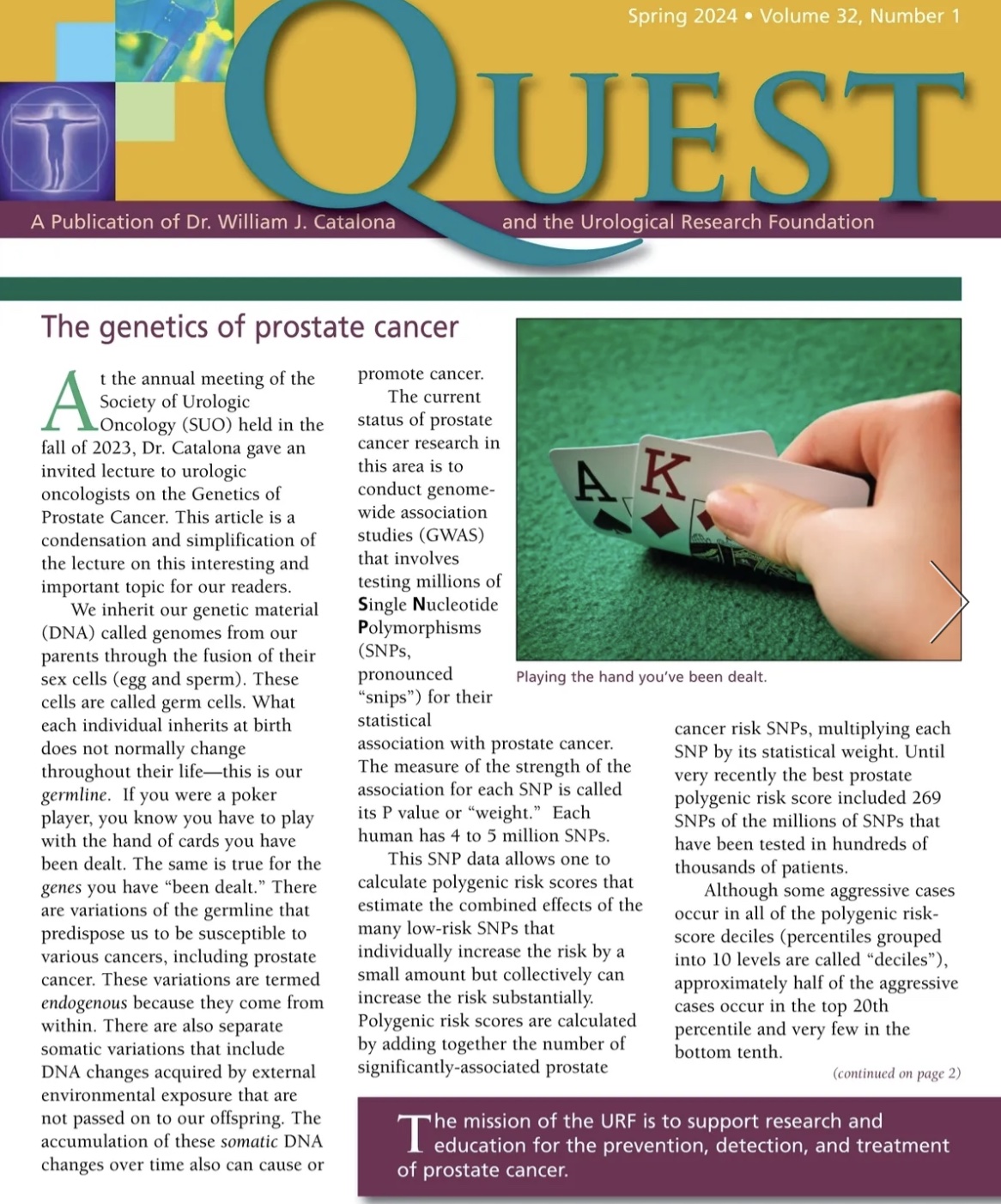
This Winter 2011 issue of Quest addresses the following topics:
- Dr. Catalona’s Message on the Importance of PSA Testing and His Reaction to the USPSTF Draft Recommendations (page 2)
- Public & Professional Reactions In Support of PSA Testing (page 4)
- Questions and Answers (page 6)
- URF Prostate Cancer Research (page 8)
- Managing a Prostate Cancer Diagnosis (page 10)
- Misconceptions About Prostate Cancer (page 12)
- Following Recommended Testing Guidelines (page 9)
- Looking to the East for Possible Treatment (page 10)
Please note that all QUEST material is under copyright and cannot be duplicated for any reason other than personal use.
Past issues of QUEST are available in this format as well. Click on Past QUEST Publications at the left of this homepage to see those issues.
Articles from past issues are also posted individually in the QUEST articles section and can be found by typing key words of interest in our search box.
Dr. Catalona Responds to USPSTF Recommendations On Prostate Cancer Screening
©photo by Danny Oldfield
Decisions need to take into account the effect on the family.
"PSA is the best screening test we have for prostate cancer, and until there is a replacement for PSA, it would be unconscionable to stop it. Contrary to the USPSTF report, compelling evidence shows that PSA screening reduces prostate cancer deaths. This evidence needs to be shared with the public."
Please click to read the full press release from Dr. Catalona.
Please click to read Dr. Catalona's Comments to the Draft of USPSTF Recommendations.
Please click to see an interview with Dr. Catalona about PSA screening.
Dr. Catalona’s message on the importance of PSA testing and his reaction to the USPSTF draft recommendations are on page 2 of the Winter 2011 QUEST and can be accessed by clicking on the QUEST image above. In addition Dr. Catalona’s explanation on how early diagnosis of prostate cancer saves lives is the front page article on the Fall 2011 QUEST, which can be accessed at the left on the homepage: Click here to view past QUEST publications.
Send Your Comments to Your Congressional Representatives
It's very important you let your congressional representatives know how you feel about these recommendations. Use the links below:
http://www.senate.gov/general/contact_information/senators_cfm.cfm
http://www.house.gov/
The Early Treatment of Prostate Cancer video was developed to explain the issues associated with the treatment of early prostate cancer. This video is for men who have been recently diagnosed with prostate cancer and are trying to weigh the various options.
Click here to watch the video.
Dr. Catalona: Over 5,600 Operations
Dr. Catalona is celebrating a surgical anniversary.
He has now performed more than 5,600 radical prostatectomies, more than anyone else in the world.
Dr. Catalona is one of the first surgeons to perform and perfect nerve- sparing surgery in radical prostatectomy operations.
His patients have come from all 50 states in the United States, as well as from Asia, Europe, the Middle East, and
Central and South America
Being there for the memorable times is a good reason for PSA screening.
1. Coverage in the media regarding PSA screening sometimes suggests that if prostate cancer is aggressive and fast growing, it doesn’t make too much difference when you find it. It’s going to be invasive and life threatening.
Conversely, if it is non-aggressive and slow growing, even treatment after symptoms will be successful. And perhaps, if not discovered, no treatment will ever be necessary.
What would you say to this view?
Click here for answer.
2. My final pathology report after surgery states “perineural invasion present.”
What does this finding mean?
Click here for answer.
3. I have heard that one should wait two months after a biopsy before having a radical prostatectomy? Is that correct and if so, why? And wouldn’t the cancer have a chance to spread in those two months?
Click here for answer.
|
Click here for a complete list of Questions & Answers
|
Healthcare decisions are as much
about the future as the present, and
they need to be based upon accurate
and reliable information.
Northwestern
Memorial Hospital and Dr. William Catalona offer opportunities
to participate in research projects on the treatment and prevention
of prostate cancer.
Presently, men can participate in Free Prostate Screenings, a Study in Prostate Cancer Prevention, a Familial Prostate Cancer Screening Program and a New Study To Improve prediction of Prostate Biopsy Results.
Participation in these programs
is at no cost. For more information on these programs including
sign-up forms please: Click Here
|
Contact Dr. Catalona

|
|
William J. Catalona, M.D.
Professor, Department of Urology
Northwestern University Feinberg School of Medicine
Director, Clinical Prostate Cancer Program
Robert H. Lurie Comprehensive Cancer Center
Northwestern Memorial Hospital
675 North St. Clair Street
Suite 20-150
Chicago, Illinois 60611
Phone: (312) 695-4471
FAX (312) 695-7030
To schedule surgery, please contact
Dr. Catalona at (312) 695-6126 or via email at
wcatalona@nmff.org or wcatalona@aol.com.
Scheduling a return appointment: (312) 695-6126
E-mail: wcatalona@nmff.org
|
|